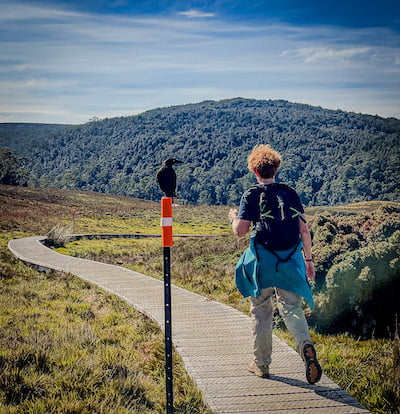
The direct drive from Hobart to Launceston takes two and a half hours. Nobody should do it in two and a half hours. The east coast route — what Tourism Tasmania calls the Great Eastern Drive — takes you the long way around. Past convict ruins, past beaches the colour of glaciers, past a car-free island where wombats outnumber tourists. It’s one of the most beautiful stretches of road in the state, and most visitors either rush it or miss it completely. I’ve driven this route in summer, in autumn, solo, and once in the rain when the Freycinet Peninsula disappeared entirely into cloud. This guide is what I’d happily tell you over coffee before you left.
The Hobart to Launceston East Coast Route — What You’re Actually Driving
Forget the direct Midland Highway. The real Hobart to Launceston drive adds about 450km to the journey, looping south first to Port Arthur, then north through Maria Island, Freycinet, Bicheno, St Helens, and the Bay of Fires before finishing in Launceston. Total distance: around 730km, depending on detours.
This map of the Great Eastern Drive 👆🏼 shares hidden gems that Google Maps itineraries won’t. Because we live here, and spend the time it takes to find the amazing side quests a lot of Google Reviews from blow-through travel influencers simply miss.
How Many Days Do You Need for the Great Eastern Drive?
You can technically do the Great Eastern Drive in three days if you push hard. Most people need five. I’d recommend six if you want to actually swim, walk, and eat properly along the way.
The road is sealed the whole way. Any hire car handles it fine — you don’t need a 4WD unless you’re planning off-road side trips like the Peron Dunes near St Helens.
Here’s the honest breakdown:
- 3 days: You’ll see the highlights but you’ll be driving more than exploring. Not recommended.
- 5 days: The sweet spot for most travellers. Enough time for a walk at Freycinet, a proper morning at Bay of Fires, and a night on Maria Island if you plan ahead.
- 7 days: The right amount of time. You can slow down, eat well, take the Maria Island ferry, and still arrive in Launceston without feeling like you left half of it behind.
If you’re flying into Hobart and out of Launceston (or vice versa), this route is the perfect one-way trip. Book one-way car hire — it costs a little more, but it’s worth every cent.
Day-by-Day: Best Great Eastern Drive Itinerary
Day 1: Hobart → Port Arthur (110km, about 1.5 hours driving)
Leave Hobart early — before 8am if you can. Head south on the Arthur Highway, stopping at Richmond for a coffee and a look at the convict bridge (it takes an extra 20 minutes, but it’s worth it).
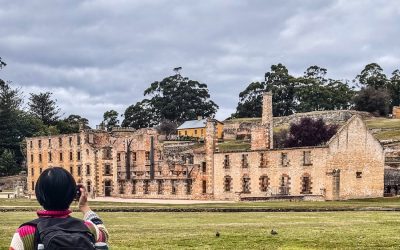
Port Arthur is the anchor of the first day. Allow at least three hours — longer if you want to join a guided tour or take the harbour cruise. The site is genuinely moving if you let it be. Most people rush through and miss the female factory, the model prison, and the church ruins at the far end.
Stay the night at McHenry’s Distillery in their fabulous Devil’s Lair Eco Cabin (and have a sneaky tasting of their excellent Whiskies and brews). Or push north to Eaglehawk Neck, where you can see the Tessellated Pavement and Hell’s Kitchen before dinner.
Day 2: Port Arthur → Swansea (200km, around 2.5 hours driving)
This is a long day’s driving, but the scenery earns it. Head north through Dunalley, past the narrow isthmus of Eaglehawk Neck, and up to Triabunna.
Triabunna is where the Maria Island ferry departs. If you’ve built in a Maria Island overnight (and you should — more on this below), this is your stop.
If not, keep moving and look to grab lunch at one of fabulous wineries between Triabunna and Swansea:
- Mayfield Estate
- Lisdillon Estate
- Boomer Creek
- Kelvedon Estate
- Devils Corner Estate
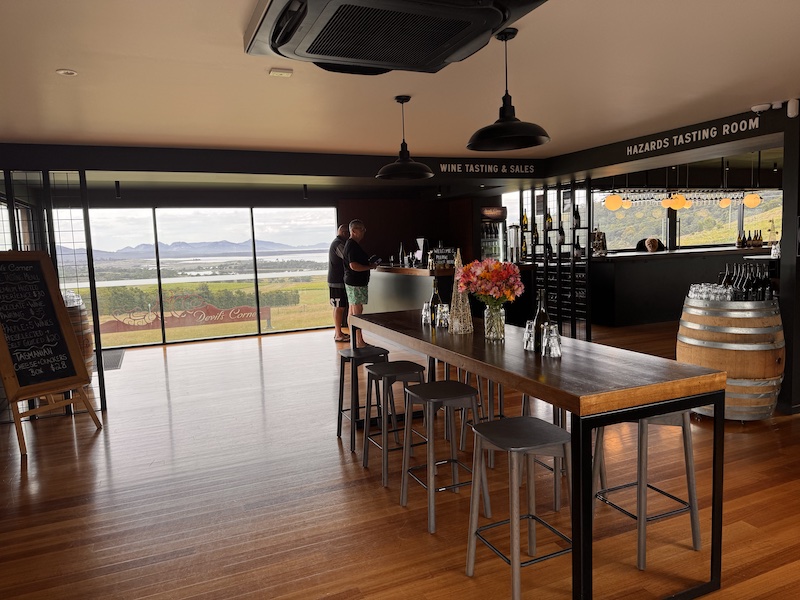
Check out our map of Tasmanian Wineries to easily identify which ones to drop in on, as you make your way up the Great Eastern Drive.
Orford, just south of Triabunna, has a lovely beach and is easy to miss. Don’t. The Tasmanian Bushland Garden on the highway just north of Orford is free, open daily, and takes about 45 minutes — good legs-stretch after the drive from Port Arthur.
Stop at Spiky Bridge — the convict-built stone bridge on the highway south of Swansea. It’s strange and beautiful and takes five minutes. Then check in to your accommodation in either Swansea or Dolphin Sands, both makes a sensible base for Day 3.
For top tier accommodation in this area, try Piermont Retreat.
For something more ‘cheap and cheerful’, Swansea Holiday Park gets great reviews.
Day 3: Swansea → Coles Bay / Freycinet (45km, under 1 hour)
This is the day people come to Tasmania’s south east coast for. Wake up early, drive the 45km to Coles Bay, and get to the Wineglass Bay car park before 8am. In January it fills by 7:30am. In autumn or winter you’ll have more breathing room, but early is always better. This is one of Tassie’s most crowded trails.
So is it worth it? We say, yes.
The Wineglass Bay lookout walk takes about 90 minutes return and is one of the most-photographed views in Australia for good reason. But if you’ve got the legs and the time, the full Wineglass Bay and Hazards Beach loop (12.8km, 3.5–4.5 hours) is dramatically better. You get the beach that everyone looks at from above all to yourself after the lookout crowds turn back.
In the afternoon, drive to Friendly Beaches — a 20-minute detour north of Coles Bay. The sand is so fine it collapses underfoot. Almost no one is ever there. Pack a swimmers and a snack.
Stay in Coles Bay (we stay at Freycinet Lodge for happy hour cocktails on their dreamy deck overlooking Coles Bay) or drive back to Swansea for the night.

Day 4: Coles Bay → Bicheno → St Helens (160km, about 2 hours driving)
Head north to Bicheno today. Stop at the blowhole on the foreshore — it’s impressive in a swell but can be underwhelming when it’s calm. Worth the five-minute check either way. Grab the heavenly Lobster burger at the Lobster shack (the fish and chips ain’t half bad either), and for outstanding coastal views on a blue sky day follow the Bicheno foreshore walk past Waubs Distillery. Stop in for a tasting on the way!
If you’re visiting between October and March, book the Bicheno Penguin Tour for tonight’s itinerary before you leave home. It runs after dark, takes about 90 minutes, and the little penguins waddling up the beach is genuinely one of the best wildlife experiences in the state. The commentary is invaluable especially if with kids keen to learn about the penguins.
If you’re not into Penguins, continue north to St Helens — the largest town on the east coast and a popular base for Bay of Fires. It’s relaxed, has a good pub, decent cafes (Sco and Co & The Lifebouy Cafe is truly one of the best in Tasmania – try the pancakes), and is perfectly placed for the Bay of Fires the next morning.
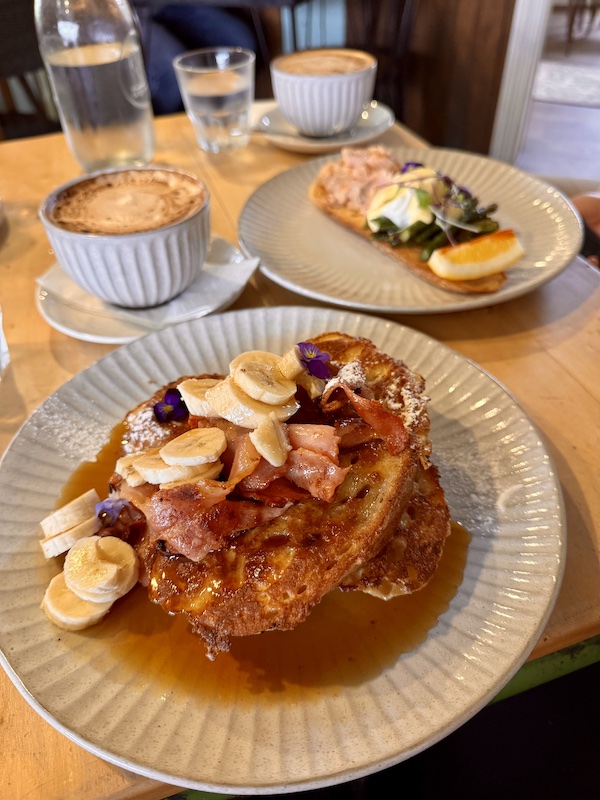
Stay in St Helens overnight.
📕 Tip: Our St Helens Accommodation Guide will save you hours looking for the best accommodation.
Day 5: Bay of Fires (based from St Helens)
Don’t rush Day 5. Bay of Fires deserves a full day (or two if you can squeeze it).
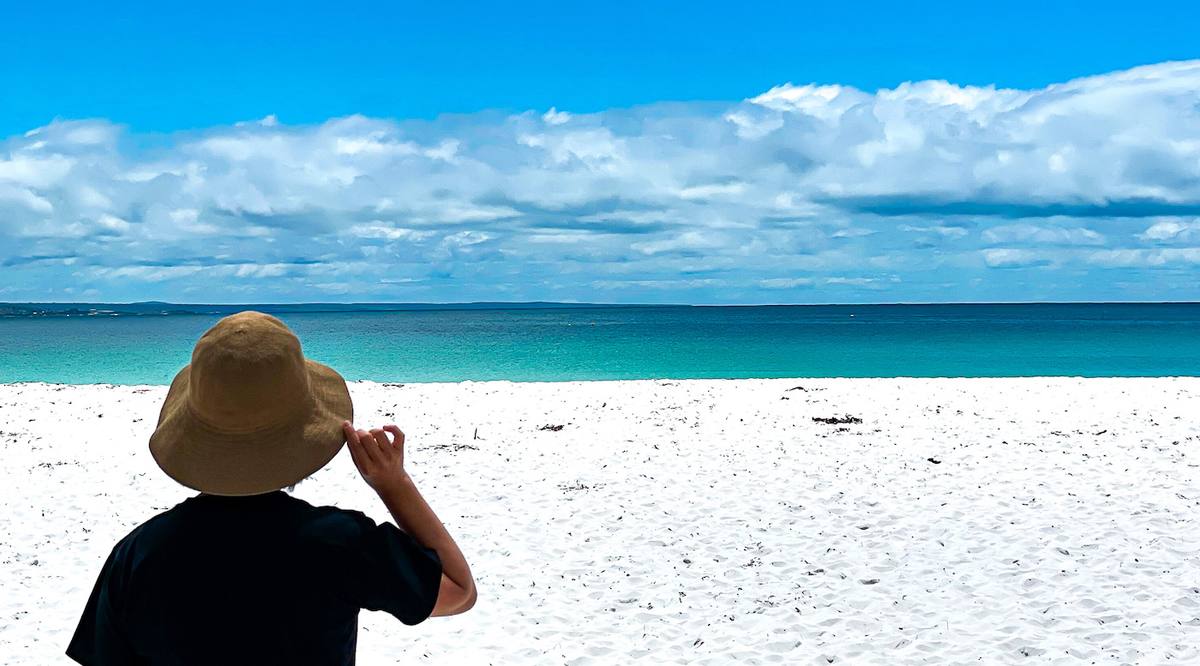
Drive north from St Helens to Binalong Bay. Park at Binalong Bay Beach (the iconic beach in our photo at the top and walk the beach north toward Jeanerette Beach and Swimcart beach — honestly there are so many beaches and bays to explore along the coast her, with the orange lichen-covered granite boulders that give Bay of Fires its name everywhere you look. The water on a calm day is such a clear blue-green it looks tropical. It isn’t — it’s cold — but it’s worth a swim.
The Bay of Fires is at its most beautiful in morning light. Leave St Helens by 7:30am, have the beach almost to yourself for the first hour, and be done before the bus tours arrive mid-morning.
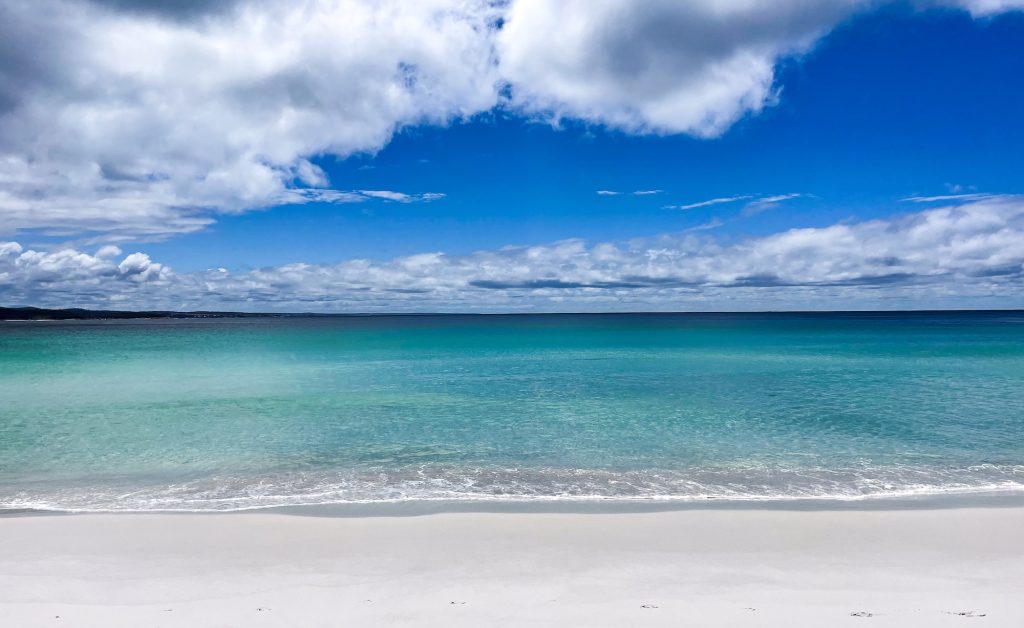
If you love beaches, give this place two nights. You’ll have an epic time, especially if you take some of the tips in our Bay of Fires Guide.
Our absolute favourite place to stay that’s actually IN the Bay of Fires is Bay of Fires Bush Retreat. It’s a quintessential Tasmanian luxury glamping experience, and reasonably priced. Book early, this place is popular. We stayed in the Baily lantern tent and the location was great -> on the edge of the cluster so quieter.

For more accommodation recommendations like this in Bay of Fires and Binalong Bay, check out out Bay of Fires Accommodation Guide.
Insider Tip: Stop at Lease 55 between St Helens and Binalong Bay to grab a half dozen of the freshest Tassie oysters you’ll ever eat, fresh off the boat. Served to you at an unassuming table right where the oysters are shucked. Ring the bell and someone will come out with the goods! And they’re reasonably priced too – even better!
Day 6: St Helens → Launceston (170km, about 2 hours)
The final stretch north passes through Pyengana, Derby and Scottsdale — a pretty agricultural region and an unexpectedly great drive.
There’s ice cream on offer, fresh donuts and a dirt bike ride (if that’s what floats your boats. Talking about floating, you’ll also find Tasmania’s most famous sauna cold plunge experience on this route. Here’s our post, with all cool the details of what to do on this leg of your trip:
Launceston to St Helens Road Trip (which you’ll be following, in reverse).
Two things to do when you arrive in Launceston: Cataract Gorge and eat. The gorge is a 10-minute walk from the city centre and looks nothing like you’d expect to find next to a city of 80,000 people. The first basin has a swimming pool in summer, peacocks wandering the lawns, and a chairlift across the gorge that’s ridiculous in the best way. There’s plenty of Cataract boat tours available to take you deeper in to the Gorge – affordable, quick and fun.
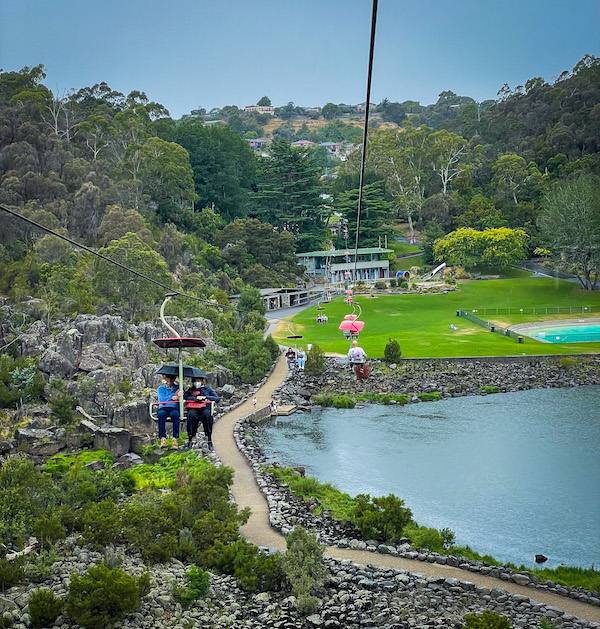
For dinner, Launceston has genuinely excellent food — Stillwater and Black Cow Bistro are the well-known picks; Mud is worth seeking out if you want something less formal. Book ahead everywhere.
The Full list of Things to Do in Launceston is where you’ll find our favourite eats, drinks and activities.
The Maria Island Detour — Why You Should Build It In
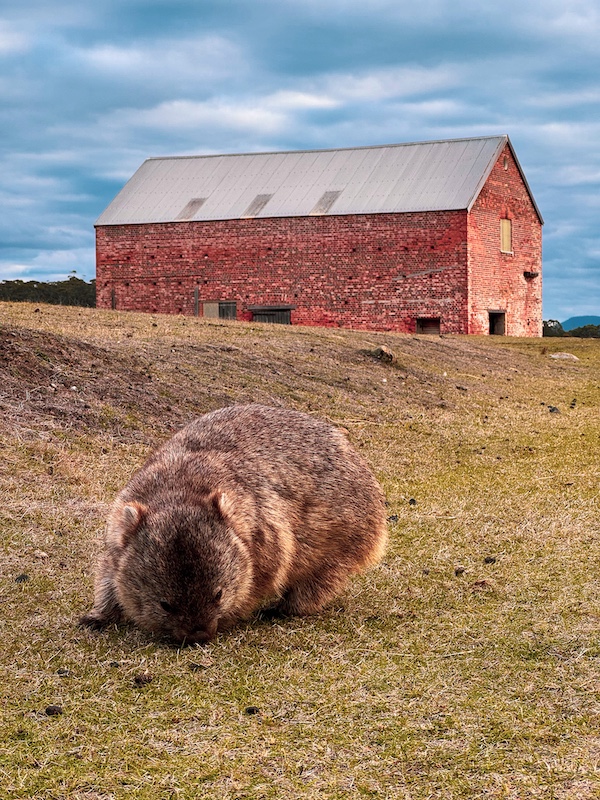
Maria Island sits off the east coast near Triabunna and it’s unlike anywhere else in Tasmania. No cars. No shops. No noise, except for the wombats that wander through the campsite at night like they own it — because they do.
The ferry from Triabunna takes 30 minutes each way and runs multiple times daily (book ahead in peak season at Encounter Maria Island). A day trip is possible. An overnight stay is better.
The painted cliffs, the convict ruins at Darlington, the Cape Boullanger walk — none of these can be rushed. You need a full day at minimum, ideally two. Bring everything — there’s no shop on the island. Water must be treated or boiled before drinking.
For more detail on planning the crossing, read my Maria Island day trip guide.
To stay overnight (which we can’t recommend highly enough) read about our stay in the Maria Island Penitentiary and how to plan your overnight Mari Island adventure. If you’re not a fan of roughing it overnight, Triabunna is the best base for Maria Island and you’ll find our favourite Maria Island Accommodation options here.
Best Time of Year for the East Coast Drive
The honest answer: November through April is ideal. March and April (autumn) might be the best of all — the crowds thin after February, the light goes golden and soft, the water is still warm enough to swim, and accommodation is easier to book.
December and January are peak season. The Wineglass Bay car park is genuinely chaos by 8am, Bay of Fires is heaving by 10am, and accommodation prices can double. It’s still beautiful — just plan further ahead and start every morning earlier than you think you need to.
Winter (June–August) is cold and some operators run reduced hours, but the east coast is far more accessible in winter than the rest of Tasmania. And it’s just as beautiful. Freycinet is open year-round, Bay of Fires is moody and wild in winter light, and you’ll have most places to yourself. We travel the east coast in Autumn and Winter and we love it.
Practical Information — What You Need to Know
Getting a car
You need a hire car for this trip. There is no public transport between these towns. Book well ahead — east coast Tasmania in peak season has genuine car hire shortages. I’ve written a detailed guide to finding the cheapest car rental at Hobart Airport if you’re price-comparing.
National Parks Pass
You’ll need a Tasmania National Parks Pass to enter Freycinet, and Port Arthur (separate Heritage site fee) Buy the 2-month holiday pass online at Parks Tasmania before you travel — it’s better value than the daily pass if you’re here for a week or more. As of March 2026, the holiday pass costs $60 per vehicle.
Mobile coverage
Telstra has the best coverage on the east coast — particularly between Bicheno and St Helens where other networks can drop out. If you’re on Optus or Vodafone, download offline maps before you leave Hobart.
Fuel
Fill up in Hobart, Swansea, Bicheno, and St Helens. The gaps between towns can be longer than they look on a map. Don’t assume the next town has a servo that’s open.
Accommodation — book ahead
In December and January, book accommodation at least 6–8 weeks out. The east coast (particulary at Freycinet and inside Bay of Fires) has limited rooms and they fill.
What to Do Next
- Tasmania road trip itinerary: 2 weeks self-drive — the full loop, including the west coast and northwest
- Bay of Fires walk guide — more detail on the coastal walk and what to bring
- St Helens to Bay of Fires — the best spots, how to get there, and where to stay
- Best beaches in Tasmania – this one speaks for itself and there’s on or two hidden gems amongst them.
FAQ — Hobart to Launceston East Coast Road Trip
How long does the Hobart to Launceston east coast drive take?
The full Great Eastern Drive from Hobart to Launceston via the east coast covers around 730km and takes a minimum of 5–6 days to do properly. If you’re only driving and not stopping, you could cover the distance in about 8–9 hours of driving time — but that completely misses the point of the route.
Can you do Hobart to Launceston east coast in 3 days?
You can, but you’ll feel rushed the whole time. Three days means skipping Maria Island entirely, doing Freycinet as a quick lookout stop, and driving past Bay of Fires rather than walking it. If you only have 3 days, take the direct Midland Highway and do one region well rather than the whole coast quickly.
What is the best route from Hobart to Launceston?
For scenery and experiences, the east coast route (Great Eastern Drive) via Port Arthur, Freycinet, Bicheno, Bay of Fires and St Helens is the best route. The direct Midland Highway (Heritage Highway) through Oatlands and Ross is shorter and historically interesting, but misses the coast entirely. Most people doing a first trip choose the east coast; the Heritage Highway is worth doing on a second visit or as part of a loop.
Do you need a 4WD for the east coast Tasmania drive?
No. The entire Great Eastern Drive is on sealed roads and any standard hire car handles it fine. You’d only need a 4WD if you want to venture to the Peron Dunes north of St Helens or some remote camping spots in Mount William National Park. You’ll need to set aside more days for this type of off road trip.
What is the best time of year to drive the east coast of Tasmania?
March to April (autumn) offers the best combination of warm weather, quieter crowds, and beautiful light. November and December are also excellent. July and August are cold but peaceful — if you don’t mind layers, the east coast is gorgeous in winter and you’ll have most beaches to yourself.
How much does the Hobart to Launceston road trip cost?
Budget roughly $500 per day for two people, covering a mid-range hire car ($120/day), accommodation ($250/night for two), fuel, and food. This is not budgeting strictly, but also not booking the luxury stays. The Parks Pass costs $60 per vehicle. Maria Island ferry adds around $60 per adult return (as of March 2026). Total for a 6-day trip for two people: approximately $3000 excluding flights.
Is the east coast of Tasmania worth visiting?
Yes — it’s consistently the part of Tasmania that surprises visitors most. People expect Cradle Mountain to be the highlight; many find the east coast changes their whole understanding of what Tasmania is. The combination of beach, wildlife, history, and food along one driveable route is hard to match anywhere in Australia.
Where should I stop on the way from Hobart to Launceston?
The must-stops are: Port Arthur, Maria Island, Freycinet National Park (Wineglass Bay and Friendly Beaches), Bicheno, Bay of Fires, and Launceston’s Cataract Gorge. Don’t skip Swansea either — it’s an underrated base and the wine at Devil’s Corner cellar door nearby is genuinely great.